India Highlights Kimberley Process Role in Combating Conflict Diamonds at UN Meeting
 Img src: IANS
India has called for stronger international cooperation to prevent the illegal exploitation of natural resources from financing armed conflicts, highlighting the Kimberley Process as an important mechanism for keeping conflict diamonds out of legitimate global trade.
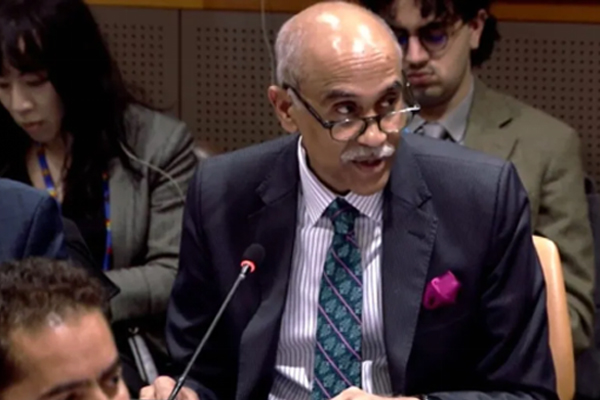
Speaking at an informal United Nations Security Council meeting convened by Sierra Leone on the theme “Natural Resources and Conflict: Strengthening Cooperation for Prevention and Peace”, India's Permanent Representative to the UN, P. Harish, outlined the country's priorities as Chair of the Kimberley Process for 2026.
Harish said India was committed to improving the effectiveness and inclusiveness of the certification scheme while strengthening cooperation among diamond-producing, trading and consuming countries.
He highlighted the role of illicit resource extraction and trafficking in financing armed groups and prolonging instability in conflict-affected regions, including the Central African Republic and the Democratic Republic of the Congo.
The Kimberley Process brings together governments, industry representatives and civil society from 86 participating countries. The framework aims to prevent conflict diamonds from entering the international rough diamond supply chain while facilitating legitimate trade.
Harish also highlighted India's position in the global diamond industry. As the world's largest importer of rough diamonds, India imported rough diamonds worth $10.48 billion and exported polished diamonds valued at $12.16 billion in the last financial year.
While emphasising the importance of transparency, responsible sourcing and supply chain due diligence, he cautioned against introducing compliance requirements that could place disproportionate pressure on developing economies or operate as disguised barriers to international trade.
He further called for greater local value addition, technology partnerships and capacity-building initiatives to help developing countries derive more economic benefits from their natural resources.
Citing India's District Mineral Foundations as an example, Harish pointed to mechanisms that direct contributions from mining operators towards the welfare of communities in mining regions, with particular attention to women and young people.
India's intervention comes as the country leads the Kimberley Process in 2026, placing greater emphasis on strengthening the international framework against conflict diamonds while ensuring that legitimate diamond-producing and trading economies continue to participate in global markets.