From Volume to Value: What Fewer Natural Diamonds Mean for the Jewellery Industry
Authored by: Neil Ventura, Special Advisor, Precious Stones, DMCC

Special Advisor, Precious Stones - DMCC
Declining natural diamond production might instinctively look like a problem for the jewellery industry. With global output at the lowest level in at least 25 years, fewer diamonds are reaching the market, reducing supply for jewellers and, ultimately, the availability of newly mined diamonds for consumers.
This is not only the result of individual mine closures, whether due to depletion or forced. A decade of subdued investment in exploration and new project development, combined with the long lead times required to bring a mine into production, has left a relatively thin pipeline of commercially viable new deposits.
As the industry enters an era of structurally lower production, any future growth cannot depend on volume alone. Greater emphasis will need to fall on demonstrating the value, rarity and history of both the diamonds already in circulation and those that continue to come to market.
For jewellers, this should be a trigger to sharpen the natural diamond proposition: to articulate more clearly each diamond’s rarity, geological origin, heritage and journey, and to build those attributes into the way it is presented, marketed and experienced.


Beyond the 4Cs
For jewellers, the supply side decline creates an urgent imperative to overhaul how diamonds are presented to consumers. Whilst cut, colour, clarity, carat and an evolving list of technical credentials can continue to provide a foundation, the natural diamond proposition needs to extend well beyond the conventional 4C’s.
Origin, geological age, rarity, provenance and the journey from mine to owner can give an individual diamond a fuller identity and a more compelling story.
Formed between one and three billion years ago, natural diamonds are finite in supply, with global reserves estimated at approximately 1.7 billion carats. The depletion of major deposits is making that reality increasingly tangible.
The Argyle mine in Western Australia, historically the primary source of the world's pink diamonds, closed in 2020, while Canada's Diavik mine delivered its final production this year. Once deposits such as these are exhausted, the supply they provided cannot be replenished, fundamentally reshaping the value equation for the natural diamond industry.
As newly mined supply becomes more constrained, rarity, origin and provenance may become increasingly important alongside the traditional measures consumers already understand. This is particularly relevant in a jewellery market where choice is more abundant than ever.
The opportunity is therefore not to diminish other categories, but to become more precise about what makes a natural diamond distinctive, and how these unique attributes are communicated in compelling ways to target consumer segments.
Lessons from Luxury
Origin is often a powerful differentiator that shapes desirability and price. Coloured gemstones, such as Colombian emeralds, are prized not only for their colour, quality and rarity, but also for the geological and cultural associations of their source.
Other luxury sectors also offer useful lessons. Fine mechanical watches provide a compelling parallel. Following the quartz crisis of the 1980s, the industry made a strategic pivot, developing a positioning that extended well beyond the basic function of timekeeping.
Manufacture, craftsmanship, provenance, rarity and history all became central to how individual pieces were understood and valued. Primary and secondary markets grew substantially. And today the overall watch industry is multiples larger than it was before quartz even came along.
Natural diamonds can follow a similar route, with jewellers translating their journey more clearly for consumers even as production volumes decline. Verified origin and geological rarity can therefore become an inherent part of how a diamond’s quality and value are understood and sought after.
Natural diamonds, like fine mechanical watches, also have an additional dimension that combines the creation story with human heritage. When inherited and passed on through generations, they acquire a personal provenance of their own.
For jewellers, connecting these narratives creates an opportunity to position a natural diamond not simply as something purchased today, but as something capable of carrying meaning long after the original transaction.
This is clearly exemplified by one of the Swiss watch industry’s best-known success stories. Patek Philippe frames ownership as stewardship through one of luxury’s most memorable slogans: “You never actually own a Patek Philippe. You merely look after it for the next generation.”
From Storytelling to Proof
As rarity and provenance become more important parts of the consumer proposition, compelling storytelling alone will not be sufficient. There is an important distinction between communicating provenance and proving it.
The industry therefore needs credible authentication, traceability and provenance systems that can preserve reliable information about origin and history through physical transformation, value chain transactions, certification, setting, sale, resale and inheritance.
In other words, rarity and provenance need to become demonstrable rather than simply asserted. Our traditional paper-based chains of warranties, with their self-declarations, have played a key role in making progress to date.
The larger opportunity is to move the industry decisively into the digital realm, as technology is not the barrier to digitising everything contained in all these offline documents.
Technology can also democratise the story of natural diamonds. With artificial intelligence-powered interfaces, retailers and jewellers can better engage with customers and support their purchase decisions through education on origin, rarity and impact.
Unfortunately, the industry is not yet combining these tools sufficiently. The challenge is not about adopting a single platform or multiple parallel platforms. It is about maintaining a single source of truth that can be clearly communicated.
Adopting these practices would allow jewellers and brands to tailor the story for different consumer segments, generations and geographies without weakening the consistent, verifiable facts at its core.
Dubai at the Centre of the Transition
The natural diamond industry stands at a critical juncture, and jewellers will play a central role in shaping what comes next.
Dubai provides a particularly relevant vantage point from which to consider that transition.
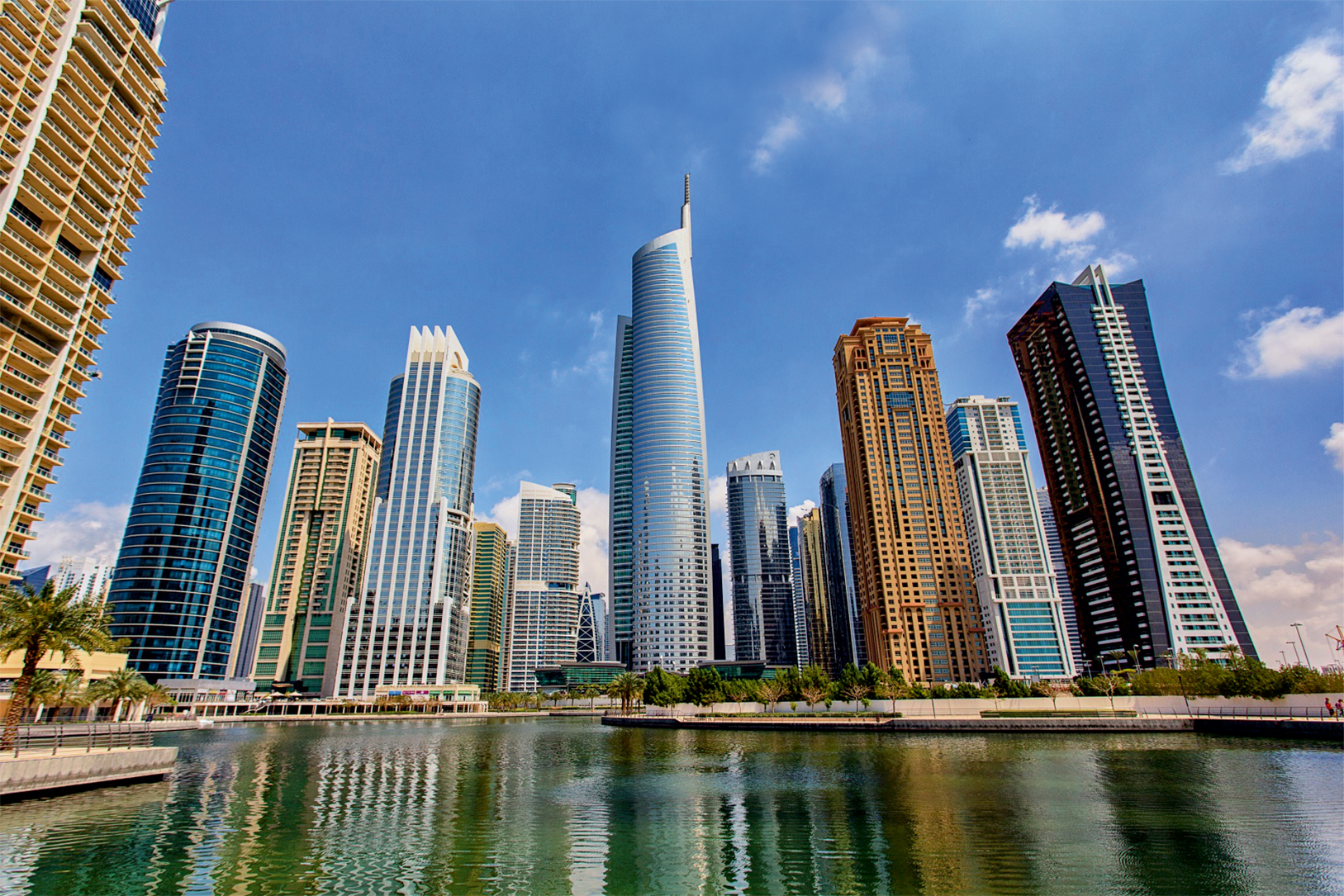
Positioned between diamond-producing countries in Africa, manufacturing centres such as India and major consumer markets across Asia, Europe, the United States and the Middle East, the city sits at the intersection of the global diamond value chain as the world’s largest diamond trading hub.
Through the Dubai Diamond Exchange and a precious stones community of 1,365 companies, DMCC sees these shifts across mining, trading, manufacturing and distribution, firsthand.
The next chapter for natural diamonds must therefore move beyond managing a market with fewer newly mined diamonds and identify ways to bridge from volume to value.
Achieving this requires greater alignment across the diamond value chain. This will be a central theme of the Dubai Diamond Conference, taking place from 26 to 27 October, where industry leaders will seek to foster a strategic reset for the sector.