The global diamond industry has long been fond of drawing neat, seemingly impenetrable boundaries. For years, the narrative pitting natural diamonds against lab-grown alternatives was framed by commentators as an existential, zero-sum war. However, a sophisticated look at the pinnacle of global diamond governance reveals that these ideological trenches are rapidly giving way to the reality of commercial realism. The modern marketplace no longer rewards dogmatic rejectionism; but instead, demands an enlightened dual-track strategy that balances trade advocacy with market realities.
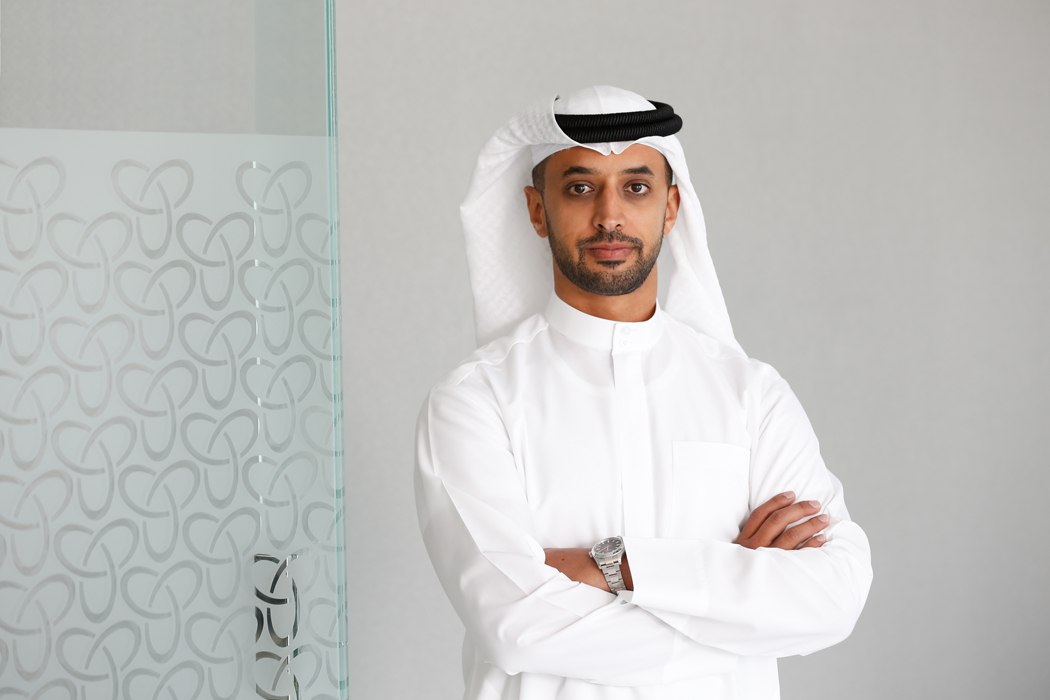
This paradigm shift is perfectly personified at the very top of our global institutional frameworks. In May 2026, the World Diamond Council (WDC) ushered in its new leadership, appointing Ronnie VanderLinden as President and Anoop Mehta as Vice President. Both are indisputably titanic figures of the natural diamond establishment, yet, what makes this leadership pairing profoundly indicative of our current era is that neither man views the lab-grown diamond (LGD) sector through a lens of hostility. Instead, their respective commercial and institutional portfolios demonstrate a highly pragmatic engagement with the category, proving that natural trade advocacy can comfortably coexist with an active footprint in the synthetic space.
Take VanderLinden. A veteran who entered the trade in 1977 as a diamond sawyer, he concurrently serves as President of the New York natural diamond manufacturer Diamex and Pintura Lab Grown Diamonds. This is not a passive institutional association, but a direct commercial stake. VanderLinden’s posture represents a necessary market pragmatism. He has publicly framed lab-grown stones not as an existential threat to natural diamonds, but as an entry-level gateway that can ultimately widen the broader jewellery economy, famously noting that if a consumer’s journey begins with man-made stones and translates to natural, it represents a win-win for everyone. This does not mean he validates deceptive marketing or dubious environmental claims - under his leadership, industry bodies have rightly challenged misleading carbon-footprint narratives, however, he firmly recognises the legitimacy of the product's market presence.
His counterpart at the WDC, Anoop Mehta, brings over half a century of heritage as President of the Bharat Diamond Bourse and Managing Director of Mohit Diamonds. In June 2025, Mehta was appointed Chairman and Independent Director of IGI (International Gemological Institute), the world’s leading grader of lab-grown diamonds.
This brings us to the core structural fracture facing our global trading floors today: the certification question. Under Mehta’s governance oversight, IGI, a listed, Blackstone-backed global powerhouse with Belgian roots whose Q1 FY2026 results showed loose lab-grown stones accounting for 54 per cent of its operations, has taken a definitive operational stand. While critics seek to diminish synthetic grading, IGI has fiercely defended its policy of applying the full, traditional 4Cs scale (Cut, Colour, Clarity, and Carat) to lab-grown diamonds, asserting that consumer confidence relies entirely on absolute transparency and origin disclosure.
This position marks a sharp and fascinating divergence across the major gemological institutions. While IGI maintains the strict 4Cs reporting structure, the GIA moved to dissolve the traditional vocabulary for lab-grown, pushing qualifying stones into broader "Premium" and "Standard" tiers. Concurrently, HRD Antwerp stepped back even further, halting certificates for loose lab-grown diamonds altogether in an attempt to police a hard border between natural and LGD worlds.
What this institutional divergence and the WDC leadership structure reveal is that the real debate is no longer about whether lab-grown diamonds have a right to exist, but how they are governed, disclosed, and integrated. Dual participation is not a sign of conflict, but the natural consequence of an evolving, multi-tiered marketplace.
As we map out the next decade of commodities trade, the global industry must follow the lead of its most seasoned statesmen in the form of abandoning rejectionist rhetoric, embracing absolute transparency in grading, and recognising that a sophisticated market can easily sustain multiple expressions of the same underlying crystal to meet different consumer needs.